Salt Lake City DOL Doctors vs Private Doctors: What’s the Difference?

You’re sitting in yet another waiting room, flipping through a magazine from 2019, when it hits you – you’ve been doing this dance with your weight for *years* now. Your regular doctor means well, really they do, but every visit feels like the same broken record. “You need to lose weight.” Thanks, Doc. Super helpful.
Meanwhile, your coworker Sarah just lost 40 pounds and won’t stop raving about her “DOL doctor” – whatever that means. She’s practically glowing, talks about getting actual *support* instead of judgment, and honestly? You’re starting to feel a little jealous. And confused. Because what exactly is a DOL doctor, and why does it sound like they’re speaking an entirely different language than your current physician?
Here’s the thing – and I wish someone had told me this years ago when I was stuck in the same frustrating cycle – not all doctors are created equal when it comes to weight loss. I know, I know… they all went to medical school, right? But think about it this way: you wouldn’t ask your dermatologist to fix your broken arm, even though they’re both doctors. Weight management? It’s become its own specialty, and the difference between a traditional family doctor and a Department of Licensing (DOL) certified weight loss physician is honestly pretty staggering.
You’ve probably experienced this yourself – that awkward moment when your regular doctor glances at your chart, notices your weight, and launches into the same tired advice about “eating less and moving more.” Maybe they’ve even suggested you “just try harder” or handed you a generic diet sheet that looks like it was printed in 1995. It’s not that they don’t care… it’s just that weight loss medicine wasn’t exactly a huge part of their training.
But here’s where things get interesting (and a little frustrating, if I’m being honest). While your family doctor spent maybe a few hours learning about obesity in medical school, DOL-certified physicians have completed hundreds of additional hours specifically focused on the science of weight management. They understand that your metabolism isn’t just being “stubborn” – there are actual biological reasons why that last 20 pounds won’t budge, no matter how many salads you eat.
The real kicker? Most people have no idea this distinction even exists. You might be paying the same insurance copay, sitting in similar-looking offices, but getting completely different levels of expertise. It’s like… imagine ordering what you think is a gourmet meal and getting a microwave dinner instead. Same price, totally different experience.
And let’s talk about what this actually means for you – because I’m not here to bash your current doctor or convince you to switch just for the sake of switching. Maybe your family physician is amazing at managing your blood pressure and keeping track of your overall health. That’s fantastic! But when it comes to sustainable weight loss, understanding hormone interactions, prescribing specialized medications, or creating comprehensive treatment plans… well, that’s where the specialized training really shows.
Sarah’s “miracle” transformation? It wasn’t really a miracle at all. She finally found someone who understood that weight loss isn’t just about willpower – it’s about biology, psychology, medication interactions, metabolic factors, and a dozen other pieces that need to work together. Her DOL doctor didn’t just tell her to eat less; they actually figured out *why* she was struggling in the first place.
So here’s what we’re going to unpack together: what exactly makes a DOL doctor different (spoiler alert: it’s not just fancy credentials), what you can realistically expect from each type of physician, how the costs compare – because let’s be real, money matters – and most importantly, how to figure out which approach is right for your specific situation.
Because you deserve better than generic advice and crossed fingers. You deserve a doctor who actually understands the science behind sustainable weight loss… and maybe, just maybe, you’ll finally get the support you’ve been looking for all along.
What We’re Really Talking About Here
Let me start with something that trips up nearly everyone I talk to: DOL doesn’t actually stand for “Department of Labor” in this context. I know, I know – that’s what your brain automatically fills in, right?
When we’re talking about workers’ compensation and workplace injuries, DOL refers to the Department of Labor and Industries in Washington State. Think of them as the referees in the workers’ comp game – they set the rules, approve the doctors, and make sure injured workers get proper care.
But here’s where it gets interesting (and honestly, a bit messy)… if you’re dealing with a workplace injury in Salt Lake City, you’re actually working within Utah’s system, not Washington’s. Utah has its own version – the Utah Labor Commission. Same basic idea, different state agency calling the shots.
The Two-Doctor Universe
Picture this: you’re injured at work, and suddenly you’re thrust into this parallel medical universe where not all doctors are created equal. It’s like discovering there are two different Netflix subscriptions – one gives you access to everything, the other has… limitations.
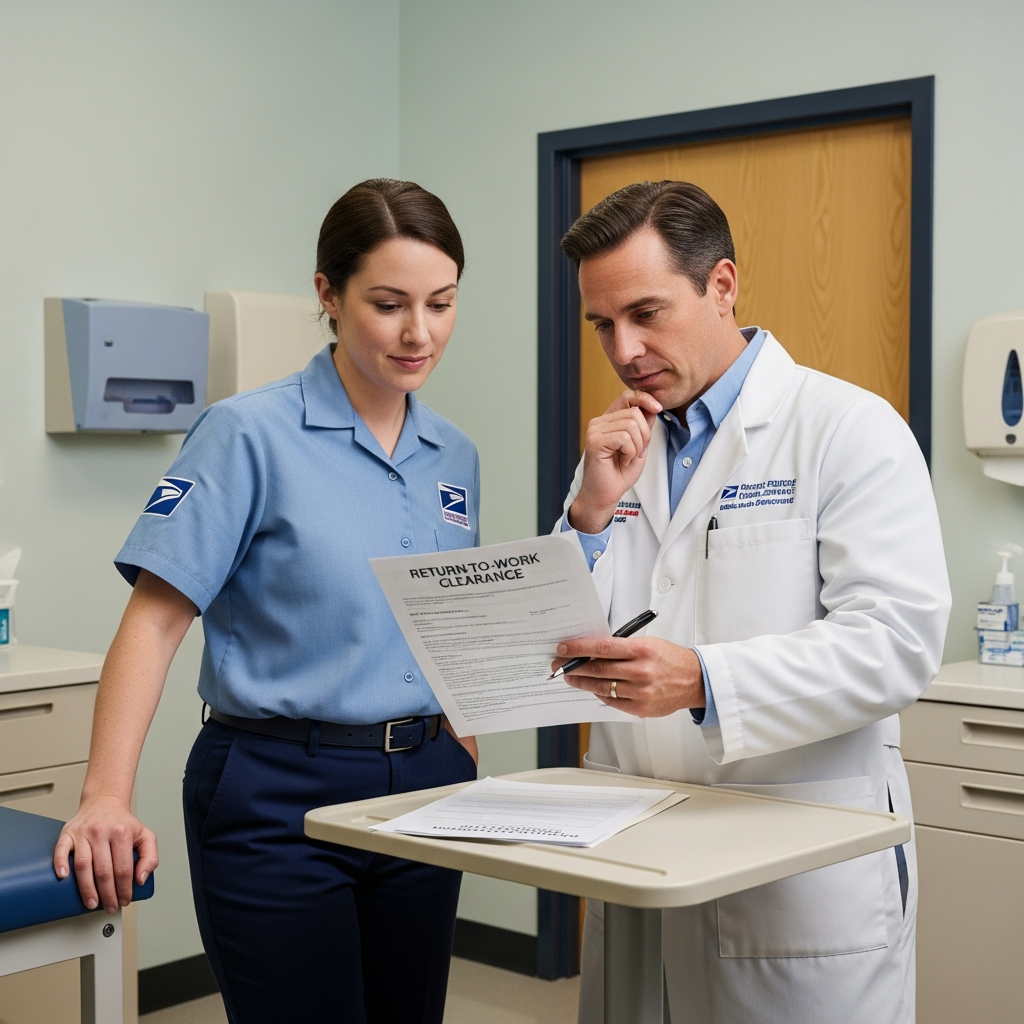
DOL-approved doctors (or in Utah’s case, commission-approved doctors) are like the doctors who’ve passed a special certification to treat work injuries. They’ve jumped through hoops, filled out paperwork, and basically raised their hand saying “yes, I want to deal with workers’ comp cases.” These doctors understand the system – they know how to navigate the paperwork maze, they’re familiar with return-to-work protocols, and they speak the language of occupational medicine.
Private doctors, on the other hand, are your regular healthcare providers. Your family doctor, the specialist you’ve been seeing for years, the physician who actually knows your medical history… you know, the ones you’d normally want to see when something’s wrong.
Why This Split Exists (And Why It’s Frustrating)
The whole system exists because – and this might sound cynical, but stick with me – workers’ compensation is fundamentally different from regular healthcare. It’s not just about getting you better; it’s about determining if your injury is work-related, how much time off you need, what your permanent limitations might be, and… well, how much money is involved.
Think of it like the difference between your family mechanic and the guy the insurance company sends to assess accident damage. Both know cars, but they’re looking at your vehicle through completely different lenses.
Workers’ comp doctors have trained specifically to answer questions like: Can this person return to their job? What percentage of disability does this injury represent? Is this condition directly related to the workplace incident? These aren’t questions your regular doctor typically deals with.
The Network Game
Here’s where things get really interesting – and often frustrating. When you’re injured at work, you’re usually required to see a doctor from the approved network first. It’s like being told you can only shop at certain stores, even though you’ve been happily shopping elsewhere for years.
The reasoning? Control and consistency. The workers’ comp system wants doctors who understand their specific rules and requirements. But this can feel incredibly limiting when you already have a relationship with a doctor who knows your body, your history, your quirks…
Actually, that reminds me of something a patient told me once: “It’s like being forced to explain your entire life story to a stranger when the person who already knows you is sitting right there.” That frustration? Completely valid.
Where Private Doctors Fit In
But here’s the thing – private doctors don’t just disappear from the equation. Depending on your state’s rules (and Utah has some flexibility here), you might eventually be able to see your own doctor. Sometimes you need a referral from the approved doctor first. Sometimes there’s a waiting period. Sometimes… well, sometimes the rules feel like they’re written in invisible ink.
Your private doctor can also play a crucial supporting role. They can provide your medical history to the workers’ comp doctor, offer a second opinion (though this gets complicated with payment), or continue treating you for non-work-related conditions.
The key difference? Your private doctor is focused on you as a whole person. The workers’ comp doctor is focused on you as an injured worker within a specific legal and administrative framework. Both perspectives have value – they’re just serving different purposes in this weird, complex system we call workers’ compensation.
What You Actually Need to Know Before Making Your Choice
Here’s the thing nobody tells you upfront – choosing between a DOL doctor and a private physician isn’t just about medical expertise. It’s about navigating two completely different systems, and honestly? The paperwork alone can make or break your experience.
Start with your timeline. If you’re dealing with a work injury that happened yesterday, DOL doctors are designed for speed. They’ve got the forms, they know the process, and they can get your claim moving faster than you can say “workers’ compensation.” But if you’ve been dealing with chronic pain for months and suspect it’s work-related… well, that’s where things get messy.
The Documentation Game (And How to Win It)
This might sound boring, but trust me – documentation is everything. With DOL doctors, they’re automatically plugged into the system. Your visit notes, treatment plans, even your casual mention of how your back feels on rainy days – it all flows directly to the right people.
Private doctors? Different story entirely. You’ll need to become your own case manager. Keep copies of everything. I mean *everything*. That initial consultation where Dr. Smith casually agreed your shoulder pain could be work-related? Get it in writing. Ask for a copy of your visit summary before you leave.
Here’s a trick most people don’t know: request a “narrative report” from your private doctor specifically addressing the work connection. It’s not the same as regular visit notes, and it carries more weight with DOL reviewers.
Follow the Money Trail (Because It Matters)
Let’s talk about something that makes everyone uncomfortable – cost. DOL doctors are covered, period. Show up, get treated, walk out. No copays, no surprise bills arriving three months later.
Private doctors… well, here’s where you need to be smart. If DOL eventually approves your claim, they’ll reimburse those private visits. But – and this is a big but – they might not cover everything. Some specialists charge rates that DOL considers “unreasonable.” Translation? You could be stuck with the difference.
Pro tip: Before seeing a private doctor, call DOL and ask about their fee schedule for that specific type of provider. It’s public information, though they don’t exactly advertise it.
The Referral Reality Check
DOL doctors have a network. Need physical therapy? MRI? Specialist consultation? They know exactly who to send you to within the system. It’s efficient, it’s covered, and it happens fast.
Going the private route means you’re building your own network. Sometimes this works in your favor – maybe your family doctor knows the absolute best orthopedic surgeon in the city. But sometimes you’ll hit dead ends. That amazing specialist your friend recommended? They might not take workers’ comp cases at all.
Actually, that reminds me of something important: always mention upfront that this is potentially a work-related injury. Some practices have policies about workers’ comp cases, and it’s better to know immediately than to waste everyone’s time.
When to Switch Horses Mid-Stream
Here’s something they don’t tell you in the pamphlets – you’re not married to your first choice. Feeling like your DOL doctor isn’t taking your concerns seriously? You can request a change. The process involves some paperwork, but it’s doable.
Started with a private doctor but drowning in administrative headaches? You can switch to a DOL physician later. Just know that you might have to start some conversations over again.
The Second Opinion Strategy
Whether you’re with DOL or private, sometimes you need another perspective. Here’s the smart approach: if you’re with a DOL doctor and want a second opinion, try to stay within their network first. It’s cleaner administratively.
If you’re with a private doctor and want to explore DOL options, consider scheduling a one-time consultation with a DOL physician. Frame it as getting a second opinion on treatment options. This gives you insight into both approaches without fully committing to a switch.
Your Communication Checklist
Regardless of which route you choose, these conversations should happen at every visit
– How does this relate to my work activities? – What’s the timeline for improvement? – Are there work restrictions I should know about? – What happens if this doesn’t get better?
Don’t leave without clear answers. And if you’re seeing a private doctor, always ask: “Will you be able to provide documentation to support a workers’ compensation claim if needed?” Some doctors are hesitant about workers’ comp involvement, and you want to know that upfront.
The bottom line? There’s no universally “right” choice here. But armed with this information, you can make the choice that’s right for your specific situation.
The Appointment Scheduling Maze
Let’s be real – trying to get an appointment with a DOL doctor can feel like winning the lottery. You’re dealing with federal bureaucracy, which means… well, you know how that goes. The wait times can stretch for months, and don’t even get me started on trying to reschedule when life inevitably gets in the way.
Private doctors? They’re usually more flexible, but here’s the catch – their schedules might be packed too, especially if they’re popular. And if you need to see them regularly for your CDL medical certification, you’re looking at potentially higher costs over time.
The workaround: Call DOL offices first thing Monday morning when they open their weekly scheduling. Seriously, set an alarm. For private doctors, build a relationship early – many will squeeze in regular patients for quick renewals. Also, ask about their cancellation lists… sometimes you can snag a same-day spot.
The Documentation Disaster
This one trips up almost everyone. DOL doctors operate under strict federal guidelines – they need specific forms, filled out in specific ways. Miss one checkbox or bring the wrong version of a form? You’re probably making another trip.
Private doctors might be more forgiving about paperwork hiccups, but (and this is important) they still have to follow the same federal standards. The difference is they might walk you through what’s needed rather than just saying “come back when you have everything.”
I’ve seen people show up with medical records from 2019 when they need current documentation, or bring a letter from their cardiologist that doesn’t quite say what the examiner needs to hear. It’s frustrating because you think you’re prepared, but the requirements are oddly specific.
Your best bet: Download the current medical examination report form from FMCSA’s website – not some random site that might have an outdated version. Call ahead and ask exactly what documentation they need for your specific situation. If you have ongoing medical conditions, get a detailed letter from your treating physician that specifically addresses your ability to safely operate a commercial vehicle.
The Cost Confusion
Here’s where it gets tricky. DOL exams might seem cheaper upfront – sometimes they’re even free depending on your state. But if you fail and need to retake it, or if you need additional testing, those costs add up fast. Plus, the time off work for multiple appointments? That’s money too.
Private doctors typically charge more per visit, but they might be more efficient. They could handle additional testing in-house, or they might be more willing to work with you on borderline issues rather than just failing you outright.
Money-saving strategy: Factor in your total time and potential lost wages, not just the exam fee. Sometimes paying more upfront saves money in the long run. Also, check if your employer covers DOT physicals – many trucking companies do, but they might have preferred providers.
The Standards Uncertainty
This is the big one that keeps people awake at night. “Will this doctor be stricter than that one?” The truth is… probably not as much as you think. Federal standards are federal standards. But the way doctors interpret borderline cases can vary slightly.
DOL doctors tend to be very by-the-book because they’re under more scrutiny. Private doctors might have a bit more flexibility in how they document things or what additional tests they order. Neither approach is necessarily better – it depends on your specific situation.
Reality check: If you’re borderline on blood pressure, vision, or have a medical condition that requires monitoring, the outcome will probably be similar regardless of where you go. Focus less on doctor shopping and more on getting your health optimized before the exam.
The Follow-Up Fiasco
Need to discuss results or get clarification on restrictions? Good luck reaching a DOL doctor after your appointment. They’re often booked solid and don’t have time for lengthy follow-up calls.
Private practices usually offer better customer service – you can actually talk to someone if you have questions about your certificate or need guidance on managing a medical condition.
The solution: Ask all your questions during the appointment, not after. Bring a list. Don’t be shy about asking them to explain restrictions or next steps while you’re still in the room. For ongoing medical issues, consider establishing care with the private doctor who did your DOT physical… they already know your case.
Setting Realistic Timeline Expectations
Let’s be honest here – neither DOL doctors nor private physicians are going to wave a magic wand and have you back to work next week. I’ve seen too many patients get frustrated because they expected to be cleared in a few days when their injury actually needs weeks or months to heal properly.
DOL doctors typically schedule follow-ups every 2-4 weeks, depending on your condition. That might feel slow when you’re eager to get back to normal life, but there’s actually method to this madness. They’re following evidence-based healing timelines – not just guessing. A severe back strain might need 6-8 weeks of conservative treatment before they’ll even consider more aggressive interventions.
Private doctors… well, that’s where things get interesting. Some will see you weekly if needed, others might space appointments similarly to DOL docs. The difference? You usually have more say in the matter. If you’re genuinely concerned about your progress (or lack thereof), you can typically get in sooner rather than later.
But here’s what I wish more people understood: faster appointments don’t automatically equal faster healing. Your body has its own timeline, regardless of how many doctor visits you squeeze in.
What “Normal Progress” Actually Looks Like
You know that patient who comes in expecting linear improvement every single day? Yeah… that’s not how healing works. Most injuries follow what we call a “stepped recovery” – you’ll have good days, bad days, and days where you feel like you’re moving backward.
This is completely normal, by the way.
Week one might be all about pain management and basic function. Week three? You might feel fantastic and overdo it (we’ve all been there). Week four could feel worse than week two because of that overexertion. It’s frustrating, but it’s also standard operating procedure for most work injuries.
DOL doctors see this pattern constantly, so they’re usually pretty good at explaining what to expect. Private doctors… it depends on their experience with workers’ comp cases. Some get it, others might seem surprised by the ups and downs.
The key thing to remember – and I can’t stress this enough – is that setbacks aren’t necessarily signs of poor treatment or incompetent doctors. Sometimes they’re just part of the process.
Your Action Plan Moving Forward
First things first: document everything. And I mean everything. Keep a simple pain journal noting your daily function levels, sleep quality, and any activities that make things better or worse. Both DOL and private doctors appreciate patients who come prepared with actual data rather than vague complaints.
If you’re working with a DOL doctor and feeling like progress has stalled, don’t suffer in silence. Most people don’t realize they can request a second opinion within the DOL system – you’re not stuck with the first doctor you see. The process takes a few weeks, but it’s definitely an option worth exploring if you’re genuinely concerned about your care.
For those going the private route, remember that your insurance approval might have strings attached. Some plans require regular progress reports or have limits on the number of visits they’ll cover. Stay on top of these requirements… trust me on this one.
When to Consider Switching Paths
Sometimes you start with one approach and realize it’s not working for your situation. Maybe the DOL doctor is perfectly competent but their availability doesn’t match your needs. Or perhaps your private doctor is great, but the insurance hassles are becoming overwhelming.
Switching isn’t failure – it’s being smart about your care.
The best time to make this call? When you’ve given your current approach at least 4-6 weeks and you’re either seeing no progress or facing significant barriers to getting the care you need. Don’t switch after one frustrating appointment… but also don’t stick with something that clearly isn’t working just because change feels complicated.
The Bottom Line About Managing Expectations
Whether you choose DOL or private care, the most important factor is finding a doctor who listens, explains things clearly, and has a realistic treatment plan. Perfect bedside manner is nice, but competence and communication matter more.
Your recovery timeline is going to be what it is – neither system can speed up biology. What they can do is support you through the process, manage your symptoms effectively, and help you avoid setbacks that could delay your return to work.
Be patient with the process, but don’t be passive about your care. You’re allowed to ask questions, seek clarification, and advocate for yourself. Actually, you should.
Look, I get it – choosing the right doctor for your weight loss journey can feel overwhelming. You’re probably sitting there wondering if you should stick with your regular physician or take the leap into specialized care. And honestly? That hesitation makes perfect sense.
Here’s what I’ve learned after years in this field: there’s no universal “right” answer. Some people thrive with their trusted family doctor who’s seen them through thick and thin (literally). They appreciate that familiarity, that sense of being known. Others discover they need something different – a provider who lives and breathes weight management, someone who won’t glance at their chart for thirty seconds before offering generic advice.
Finding Your Perfect Match
The truth is, both DOL-certified doctors and private physicians can be incredible allies in your health journey. What matters most is finding someone who truly gets where you’re coming from. Someone who understands that weight loss isn’t just about willpower or eating less… it’s complicated, personal, and sometimes frustrating as hell.
You want a doctor who listens – really listens – when you explain that you’ve tried everything. Who doesn’t make you feel judged when you admit you grabbed fast food last Tuesday because life got crazy. Who sees you as a whole person, not just a number on a scale.
Maybe that’s your current doctor who’s willing to explore new approaches with you. Or perhaps it’s time to find someone who specializes in this exact challenge you’re facing. Either way, you deserve care that feels collaborative, not condescending.
You Don’t Have to Figure This Out Alone
Here’s something I wish more people knew: asking for help isn’t giving up. It’s actually one of the smartest things you can do. Whether you’re dealing with metabolic issues, emotional eating, or just feeling stuck despite your best efforts, the right medical support can change everything.
And if you’re worried about cost, insurance coverage, or time commitment… those are valid concerns. But they’re also problems that can be solved once you start the conversation. Most specialized weight management practices – ours included – work with you to find solutions that fit your life and budget.
The hardest part is often just picking up the phone or sending that first message. I know it can feel vulnerable, admitting you need support. But think about it this way: you wouldn’t try to fix your car’s transmission without the right tools and expertise, right? Your health deserves that same level of specialized attention.
If you’re feeling ready to explore what personalized weight management care might look like for you – or even if you’re just curious and have questions – we’re here. No pressure, no judgment, just real conversations about real solutions.
You can reach out through our website, give us a call, or even stop by for a consultation. We’ll help you figure out if we’re the right fit, and if not, we’ll point you toward resources that might serve you better. Because at the end of the day, this is about finding what works for you – and you deserve all the support you can get.